
A face mask and a scented candle used to be enough. Not anymore. For a lot of millennials, self-care has quietly moved away from anything you can buy and toward something you actually have to do—carve out, protect, show up for.
Instead of a purchase, it’s become an experience. A few days away. A chance to actually stop. Something closer to presence than performance. And honestly, that shift says more about what this generation values than it does about the retreats themselves
What Changed About Self-Care?
Skincare hauls and self-care kits used to be the whole picture. But ask people now, and plenty will tell you unstructured time off the grid does more for them than another product ever did. A retreat gives you something a serum can’t: actual distance from your routine and room to just exist without a to-do list breathing down your neck.
Part of this comes down to how exhausting it is to be reachable all the time. Rest doesn’t feel like something that’s just given anymore—for a lot of millennials, it feels like something you have to earn first. So the appeal of stepping away from notifications and inboxes, of not being “available,” makes sense. It’s a kind of recovery a weekend at home just doesn’t offer.
Why Are Retreats More Popular Than Ever?
Years of work and life bleeding into each other have left a lot of people wanting something more than a typical vacation. A retreat builds in structure around rest — guided time to actually reflect, instead of hoping relaxation happens on its own.
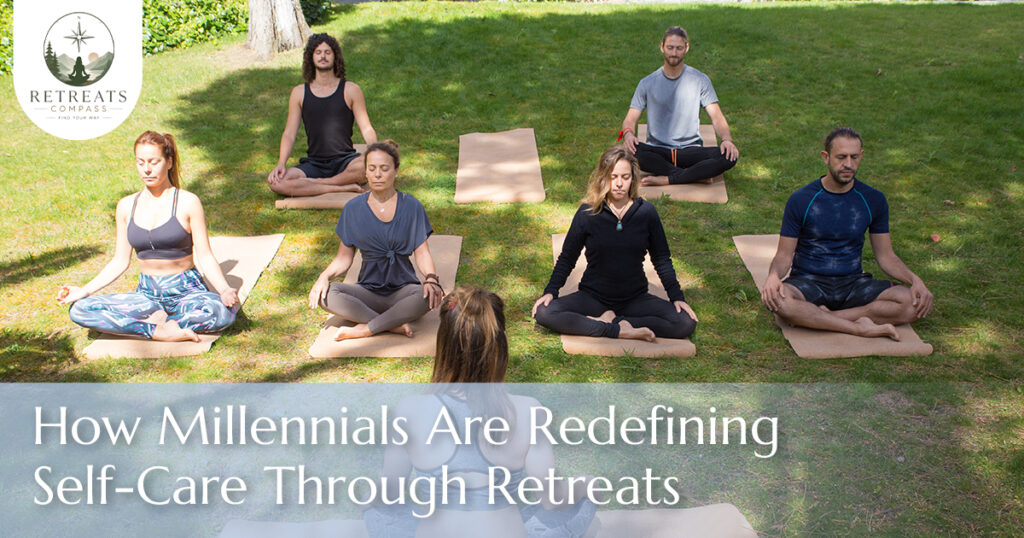
There’s also a shift away from solitary pampering toward shared experience. Group reflection, communal meals, moving together — these show up in retreat programs more and more. That’s not an accident. Years of digital-first relationships have left a real sense of disconnection behind, something the CDC has tied to broader effects on mental and physical health. And rest, it turns out, often lands better when you’re not doing it alone.
How Is This Different From a Regular Vacation?
Older wellness trips leaned on luxury and escape. This one leans on meaning. Journaling, mindfulness, actual conversation — these are replacing spa-only itineraries, which says something about wanting internal work over surface-level pampering.
Even the idea of rest has shifted. It’s less “lie by the pool” and more participatory: movement, creative practice, time in nature. Rest as something you do, not just something that happens to you. It tracks with research from the National Institutes of Health linking intentional rest to long-term well-being.
Where Is This Headed?
Probably toward shorter, easier-to-fit-into-a-normal-week formats — retreats that don’t require using up all your PTO. Data from the U.S. Travel Association points to wellness travel taking up a growing share of leisure spending overall, so this doesn’t look like a passing phase.
The Bottom Line
Millennial self-care retreats point to a generation redefining what rest, connection, and personal growth actually mean. Rather than a quick fix or a product to purchase, wellness is increasingly approached as something to be experienced and worked through with intention. As demand continues to grow, transformational retreats are likely to remain a lasting fixture in how this generation chooses to care for themselves, offering a model of rest that feels less like an indulgence and more like a necessity.
Frequently Asked Questions
What is a millennial self-care retreat?
A retreat focused on rest, reflection, and disconnection from daily routine, often emphasizing presence and community over material self-care.
Why are millennials drawn to retreats over other self-care methods?
Retreats offer structured time away from constant connectivity, addressing burnout in ways everyday routines often cannot.
Are these retreats different from traditional wellness getaways?
Yes. They tend to prioritize meaning and shared experience over luxury or purely physical pampering.